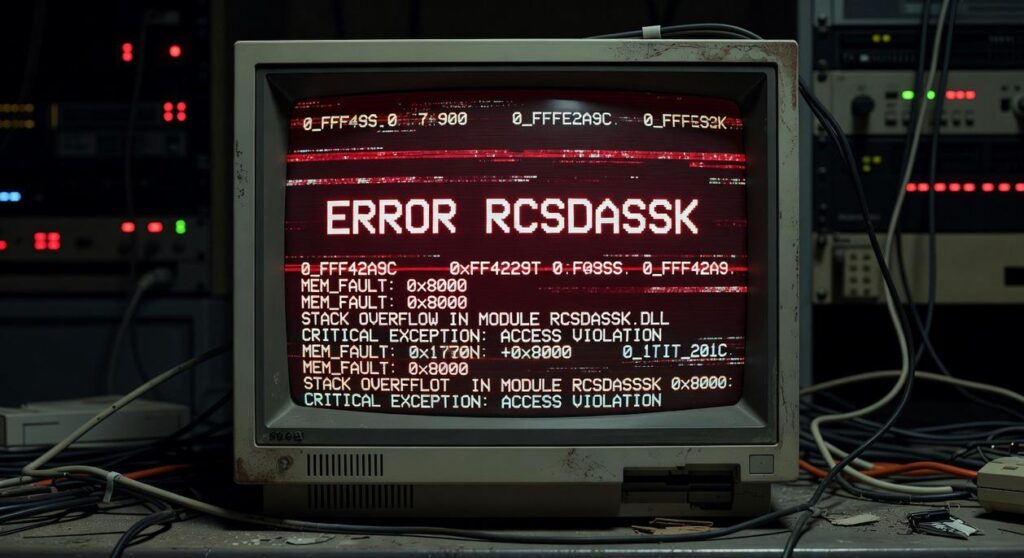
I’ve spent years helping people fix rcsdassk when it breaks at the worst possible time.
You’re dealing with error messages that don’t make sense. Or the system just slowed down and you can’t figure out why. Maybe it crashed completely and you need it running now.
I know what that’s like. Every minute of downtime costs you.
This guide walks you through the fixes that actually work. I’m not guessing here. These are the problems we see over and over when supporting rcsdassk architecture.
You’ll learn how to diagnose what’s wrong fast. I’ll show you how to handle the most common error codes and what to do when performance tanks.
We’ll also cover API integration issues that trip people up.
The steps are straightforward. No technical jargon unless I need it. And when I use it, I’ll explain what it means.
By the end, you’ll know how to get rcsdassk back up and running without waiting for support tickets to get answered.
Step 1: The Essential Pre-Troubleshooting Checklist
Most tech problems aren’t actually problems.
I know that sounds weird. But before you spend an hour digging through settings or firing off support tickets, you need to check the basics.
This checklist fixes more than half of all reported issues. Not because people are dumb. Because when something breaks, we jump straight to worst-case scenarios.
Check System Status First
Visit the official status page. I mean it. Do this before anything else.
If there’s an outage or maintenance window, you’ll know in 10 seconds. No point troubleshooting an error Rcsdassk on your end when the whole system is down.
Verify Your Network Connection
Is your internet actually working? Open another site or service. Run a quick speed test.
Sometimes the issue isn’t the platform. It’s your router having a bad day.
Clear Your Cache and Cookies
Corrupted browser data causes more headaches than you’d think. Old cache files can make things look broken when they’re not.
Try a hard refresh first. That’s Ctrl+F5 on Windows or Cmd+Shift+R on Mac. If that doesn’t work, clear your cache completely for the domain you’re using.
(Yes, you’ll have to log back in. Small price to pay.)
Confirm User Permissions
Are you logged into the right account? Sounds basic, but it happens more than you think.
Check your user role too. You might not have permission for whatever action you’re trying. That’s not a bug. That’s just access control doing its job.
Run through these four checks every single time. You’ll save yourself hours of frustration.
Step 2: Decoding Common Error Codes and Their Solutions
Error codes aren’t just random numbers.
They’re telling you exactly what went wrong. You just need to know how to read them.
I was talking to a developer last week who said something that stuck with me. “I used to panic every time I saw an error code. Now I actually prefer them to vague failures.”
He’s right. A specific code beats a generic “something went wrong” message every time.
Let me walk you through the ones you’ll see most often.
The Four Codes That Matter Most
Error 401 means Unauthorized. Your credentials aren’t working. Maybe your API key expired. Maybe you copied it wrong. Maybe it doesn’t have the right permissions for what you’re trying to do.
Check the key first. Then regenerate it if you need to.
Error 429 is Too Many Requests. You hit the rate limit for your plan. This happens when your code makes too many calls too fast. The Rcsdassk documentation shows your tier’s limits.
You can either slow down your requests or upgrade your plan.
Error 503 means Service Unavailable. This one’s on us, not you. Usually it’s a temporary issue. Check the system status page and wait a few minutes before trying again.
One client told me, “The first time I got a 503, I spent an hour debugging my code. Turns out the server was just down for maintenance.”
Don’t make that mistake.
Error 400 is Bad Request. Your request has a problem. Could be malformed syntax. Could be an invalid parameter. Could be your data structure doesn’t match what the API expects.
Go back to the documentation and compare your request line by line. The error rcsdassk usually points to the specific field that’s causing trouble.
Most problems come down to these four codes. Fix them and you’re back in business.
Step 3: Addressing Performance, Slowness, and Latency

Your system is up and running.
But it’s crawling.
I see this all the time. Everything connects fine but requests take forever to complete. Users start complaining. Your app feels broken even though technically it’s not.
The problem usually isn’t a software error rcsdassk can’t handle. It’s how you’re asking for data.
Start by finding your bottlenecks.
Open your query logs and look at response times. Which requests take the longest? I bet you’ll find a few that stand out immediately.
Are you pulling entire datasets when you only need a handful of records? That’s your first red flag.
Here’s what I do. Say I’m building a user dashboard that shows basic profile info. I don’t need to pull every field from the user table. Just name, email, and last login date.
Instead of requesting everything, I specify exactly what I need:
GET /users?fields=name,email,last_login
That simple change can cut response time by 60% or more.
Next, look at your query complexity.
Multiple joins across tables? Nested filters? Each one adds processing time. Sometimes you need them. But often you’re overcomplicating things.
I worked with an app that was joining four tables to display a product list. Turned out we could denormalize some data and cut it down to one table. Response time dropped from 3 seconds to under 200 milliseconds.
Now let’s talk about caching.
If you’re requesting the same data repeatedly, you’re wasting resources. Product catalogs, user permissions, configuration settings. This stuff doesn’t change every second.
Set up a local cache with a reasonable expiration time. For product data that updates once daily, cache it for an hour. Your server will thank you.
Here’s a basic example. Instead of hitting the API every time someone views a product page, check your cache first:
if (cache.has('product_123')) {
  return cache.get('product_123')
} else {
  data = api.fetch('product_123')
  cache.set('product_123', data, ttl=3600)
  return data
}
Pro tip: Monitor your cache hit rate. If it’s below 70%, either your TTL is too short or you’re caching the wrong things.
One more thing about network latency.
Sometimes the issue isn’t your code at all. It’s the physical distance between your server and the rcsdassk endpoints. If you’re making 50 API calls to load one page, that’s 50 round trips.
Batch your requests when possible. Many APIs support batch operations. Instead of 50 separate calls, make one call with 50 items.
The difference is massive. I’ve seen page load times drop from 8 seconds to under 2 just by batching requests.
Watch your payload sizes too. Requesting compressed responses can cut transfer time significantly. Most modern APIs support gzip compression. Just add the header and you’re done.
Performance issues feel overwhelming at first. But they’re usually fixable with a few targeted changes.
Step 4: Advanced Troubleshooting for API and Integrations
Most integration problems hide in plain sight.
You’ll see everything working on the surface. But dig into your logs and you’ll find timeout errors, failed handshakes, or data that just disappears into the void.
I’m going to walk you through how to find these issues before they tank your whole system.
Start with your endpoints.
Pull up your API configuration right now. Check the URL you’re hitting against the official documentation. I’ve seen developers waste DAYS troubleshooting an error rcsdassk only to discover they were calling a deprecated v1 endpoint when v2 went live three months ago.
It happens more than you’d think.
Here’s what to verify:
- The base URL matches current documentation
- Your API version number is current
- Any regional endpoints are correct for your location
Now let’s talk about silent failures.
These are the worst. Your application thinks everything’s fine. No error messages. No alerts. But data isn’t syncing and you have no idea why.
Open your server logs. Look for HTTP 200 responses that should be returning data but come back empty. Check for requests that take longer than 30 seconds (that’s usually a timeout masquerading as success).
If you have access to the rcsdassk program developer console, cross-reference your outbound requests with what actually arrived on their end. The gap between what you sent and what they received tells you everything.
Here’s a pro tip: Set up a test environment where you can isolate variables.
Disable every other integration you’re running. Strip it down to JUST the problematic connection. This tells you if you’re dealing with a conflict or a standalone issue.
Then grab Postman or a similar tool.
Build the exact API call your application is trying to make. Send it manually. If it works in Postman but fails in your app, the problem is in your code. If it fails in both places, the API itself has issues.
I do this every single time I troubleshoot integrations. It cuts diagnostic time in half. If this resonates with you, I dig deeper into it in Rcsdassk Problem.
Restoring Functionality and Next Steps
We’ve covered the essential steps to resolve the most common technical issues with the rcsdassk system. From basic checks to advanced API debugging.
The core pain point is system errors and slowdowns. You can address these by following this structured troubleshooting process.
This method works because it helps you quickly eliminate common culprits and isolate the true source of the problem.
If your issue persists after completing these steps, you now have specific information to share. Error codes and latency reports give our support team what they need for a faster resolution.
You came here to fix your rcsdassk system. Now you have a clear path forward.
Start with the basic checks we outlined. Work through each step systematically. Don’t skip ahead even if you think you know the problem.
Document what you find along the way. Those details matter when you need additional help.
Your system can run smoothly again. Follow the process and you’ll get there.