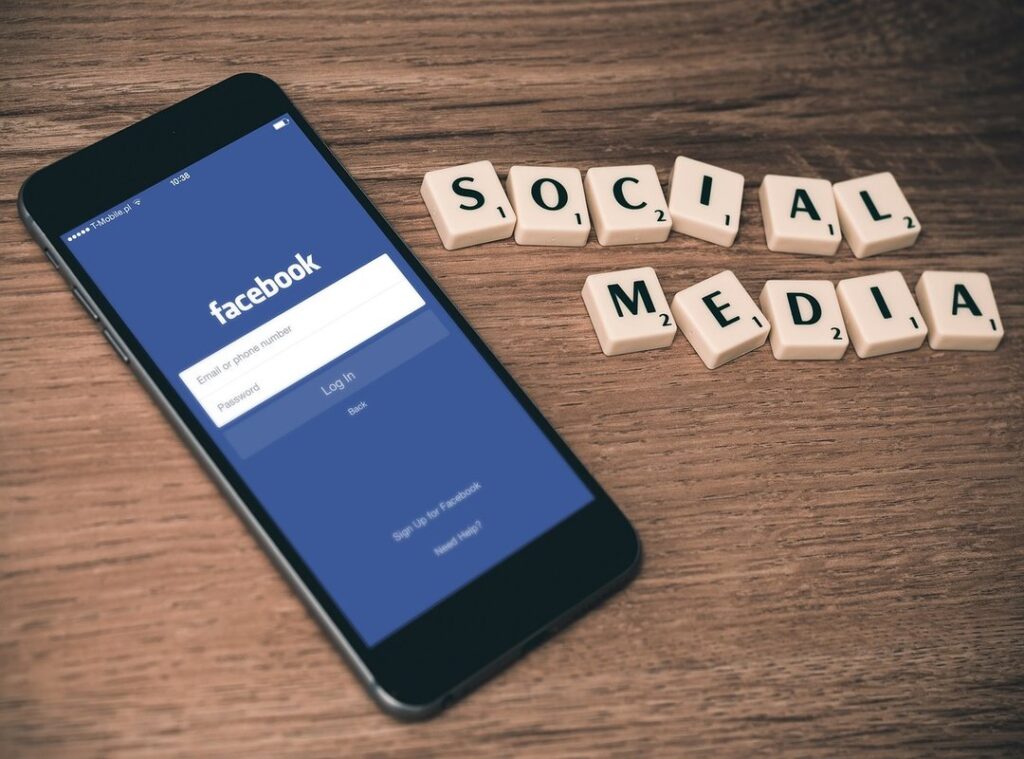
Too many news apps.
Not enough time to test them all.
I’ve tried twelve. Three made me quit reading after two minutes. Two crashed every time I opened them.
One showed me weather in Tokyo when I live in Chicago.
You’re not lazy for giving up.
You’re tired of apps that ignore what you actually need.
Which News App Is the Best Otvptech? That’s not a trick question. It depends on what you want.
Local updates? World headlines? Sports only?
Or just something that doesn’t feel like work?
This guide skips the hype. No fake comparisons. No “top 10” lists with identical screenshots.
I break down real apps. How they work, where they fail, and who they’re actually good for.
You’ll know which one fits your life by the end.
Not someone else’s idea of “best.”
Why You Need a Good News App
I used to scroll Twitter for news.
Then I missed three local school board meetings because the algorithm buried them.
A real news app fixes that. It gives you control. Not just headlines.
But what matters to you.
Which News App Is the Best Otvptech? I’m not sure. But I am sure you need one that lets you pick your sources (not) just accept whatever’s trending.
Can you mute politics and boost science? Good. Does it pull from local papers and international outlets?
Better.
I hate apps that look like a spreadsheet.
If I can’t skim a headline in under two seconds, I close it.
Push alerts? Yes. But only for things I care about.
Not every weather update.
Offline reading saves me on subway rides. No signal? No problem.
I already downloaded today’s top stories.
Free is great (until) they start selling your reading habits. Some apps charge $5/month. I pay it.
It’s cheaper than my therapist. (Not really. But close.)
Try Otvptech. It’s clean, source-flexible, and doesn’t beg for permissions. Still testing it.
No final verdict yet.
You want speed. Clarity. Control.
Anything less is noise.
News Apps That Actually Work
I hate opening a news app and seeing the same three stories for three days.
Google News learns what you care about. It does not shove politics at you if you only read cooking blogs. (It’s creepy how well it works.)
The Full Coverage tab shows you five versions of the same event. One from Reuters, one from your local paper, one from a nonprofit outlet. You decide what matters.
Apple News feels like it was built for your iPhone. Not the other way around. Tap a headline and it loads instantly.
No spinning wheel. No “loading more” traps.
Apple News+ is optional. You do not need it to read The Washington Post or Bloomberg. But if you want Vogue or The Wall Street Journal?
That’s where it kicks in.
Microsoft Start is weirdly useful. I check weather, scores, and headlines all on one screen. No jumping between apps.
Its feed adjusts when I tap “less tech news”. And it listens.
Which News App Is the Best Otvptech? Depends on your phone and your patience.
| App | Best For |
|---|---|
| Google News | Personalization + source variety |
| Apple News | iOS users who want speed + polish |
| Microsoft Start | One-stop scanning without clutter |
I close two of these every week. One stays open. Which one do you keep?
For News Lovers Who Read Past the Headline
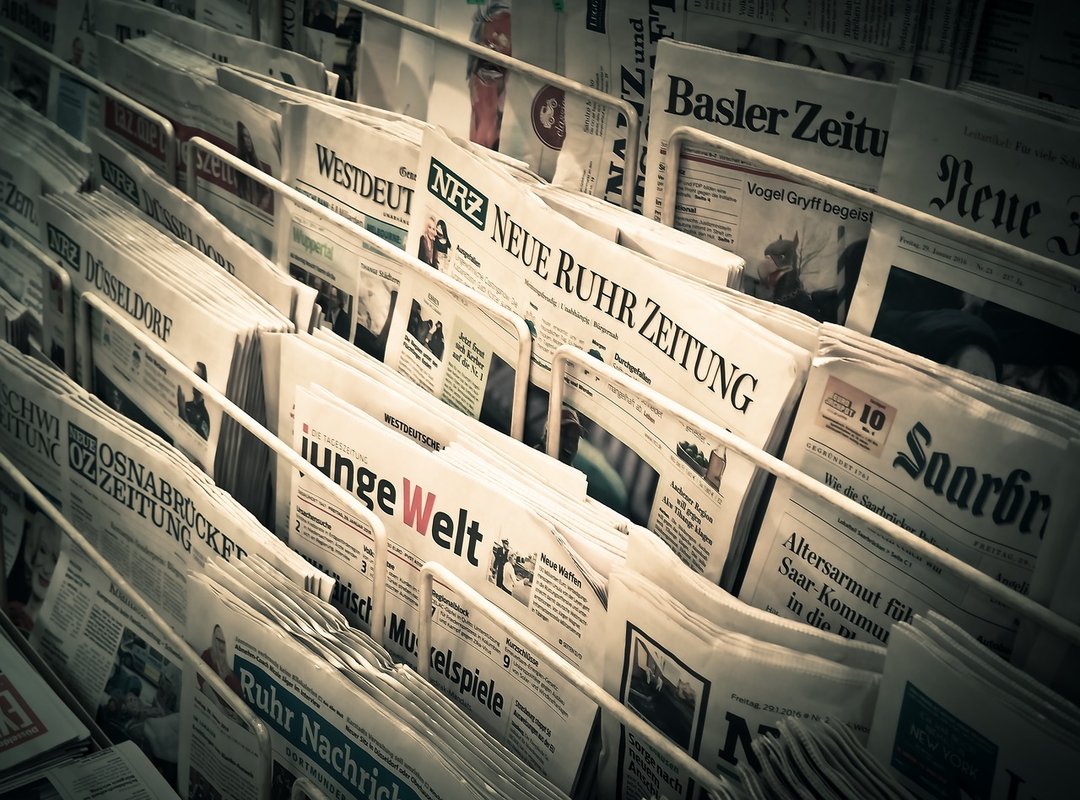
I pay for The New York Times. Not because it’s fancy (but) because I trust its reporting on politics, climate, and culture. It’s not clickbait.
It’s not rewritten press releases. It’s reporters on the ground.
The Wall Street Journal? I use it when I need to understand a merger, a Fed decision, or why my 401(k) moved. Their business coverage is sharper than most.
And yes. It costs money. But skipping it means missing context you won’t get elsewhere.
Flipboard feels like flipping through a real magazine (except) it’s all yours. I make custom feeds: “AI ethics”, “Latin American startups”, “public health policy”. It surfaces things I wouldn’t find in my usual feed.
No algorithm decides what’s “trending” (I) decide what matters.
Which News App Is the Best Otvptech? That depends on what you actually read (not) what sounds impressive. If you care about tech and business, start with What Is Tech Business News Otvptech.
It’s not fluff. It’s not hype. It’s reporting that connects code to cash.
I don’t use apps that just push headlines. I use ones that make me pause. Reread.
Think twice. You should too.
Free News Apps That Actually Work
I use Reddit for news when I want to see what people are really talking about. Not the headlines. What they’re arguing about in r/SpaceXLounge or r/LocalFoodPolicy.
You’ll find stuff no wire service covers. (But double-check everything. A viral post isn’t a source.)
AP News is my go-to when I need facts fast. No ads. No hot takes.
Just what happened, who said it, and where. It’s boring (and) that’s why it works.
That’s not “nice to have.” That’s your basement staying dry.
Your local TV station or newspaper probably has an app. I checked mine last week. It pushed a flood warning 12 minutes before the county did.
Which News App Is the Best Otvptech? There’s no single answer. But there is a better way to pick one.
Ask: What do I actually need to know today? Not tomorrow. Not next month.
Today.
Reddit gives you chatter. AP gives you facts. Your local app gives you street-level reality.
Pick the tool that matches the job (not) the flashiest logo.
Want to know what’s coming next in news tech?
Check out What New Tech Is Coming Out Otvptech
Your News App Isn’t Out There. You Build It.
Which News App Is the Best Otvptech?
It’s not a trick question.
But it is a personal one.
I tried ten apps last month. Three I deleted in under an hour. One I still open first thing (because) it matches how I read, not how some designer thinks I should.
General apps give you speed. In-depth ones demand your attention. Niche or free ones surprise you.
Sometimes with gold, sometimes with noise.
You don’t need the “best” app. You need the one that stops making you scroll past headlines you don’t care about. The one that doesn’t bury local stories under celebrity gossip.
The one where you decide what matters. Not an algorithm trained on clicks.
You already know your pain point. That sinking feeling when you close an app and realize you learned nothing real. Or worse.
You feel dumber after using it.
So stop waiting for the perfect app to appear. Try two. Pick one.
Dump it if it wastes your time.
Personalization matters. But only if it serves you, not advertisers. Source variety matters (but) only if those sources actually disagree.
Ease of use matters (but) not at the cost of substance. Cost matters. But not if the free version floods you with junk.
Download a few of these apps today. Not all at once. Just two.
Use them for three days. Then ditch the one that feels like homework.
Start building your ideal news experience. Before someone else builds it for you.
 Ask James Danielsaylamans how they got into app development techniques and you'll probably get a longer answer than you expected. The short version: James started doing it, got genuinely hooked, and at some point realized they had accumulated enough hard-won knowledge that it would be a waste not to share it. So they started writing.
What makes James worth reading is that they skips the obvious stuff. Nobody needs another surface-level take on App Development Techniques, Emerging Tech Concepts and Trends, Machine Learning Insights. What readers actually want is the nuance — the part that only becomes clear after you've made a few mistakes and figured out why. That's the territory James operates in. The writing is direct, occasionally blunt, and always built around what's actually true rather than what sounds good in an article. They has little patience for filler, which means they's pieces tend to be denser with real information than the average post on the same subject.
James doesn't write to impress anyone. They writes because they has things to say that they genuinely thinks people should hear. That motivation — basic as it sounds — produces something noticeably different from content written for clicks or word count. Readers pick up on it. The comments on James's work tend to reflect that.
Ask James Danielsaylamans how they got into app development techniques and you'll probably get a longer answer than you expected. The short version: James started doing it, got genuinely hooked, and at some point realized they had accumulated enough hard-won knowledge that it would be a waste not to share it. So they started writing.
What makes James worth reading is that they skips the obvious stuff. Nobody needs another surface-level take on App Development Techniques, Emerging Tech Concepts and Trends, Machine Learning Insights. What readers actually want is the nuance — the part that only becomes clear after you've made a few mistakes and figured out why. That's the territory James operates in. The writing is direct, occasionally blunt, and always built around what's actually true rather than what sounds good in an article. They has little patience for filler, which means they's pieces tend to be denser with real information than the average post on the same subject.
James doesn't write to impress anyone. They writes because they has things to say that they genuinely thinks people should hear. That motivation — basic as it sounds — produces something noticeably different from content written for clicks or word count. Readers pick up on it. The comments on James's work tend to reflect that.