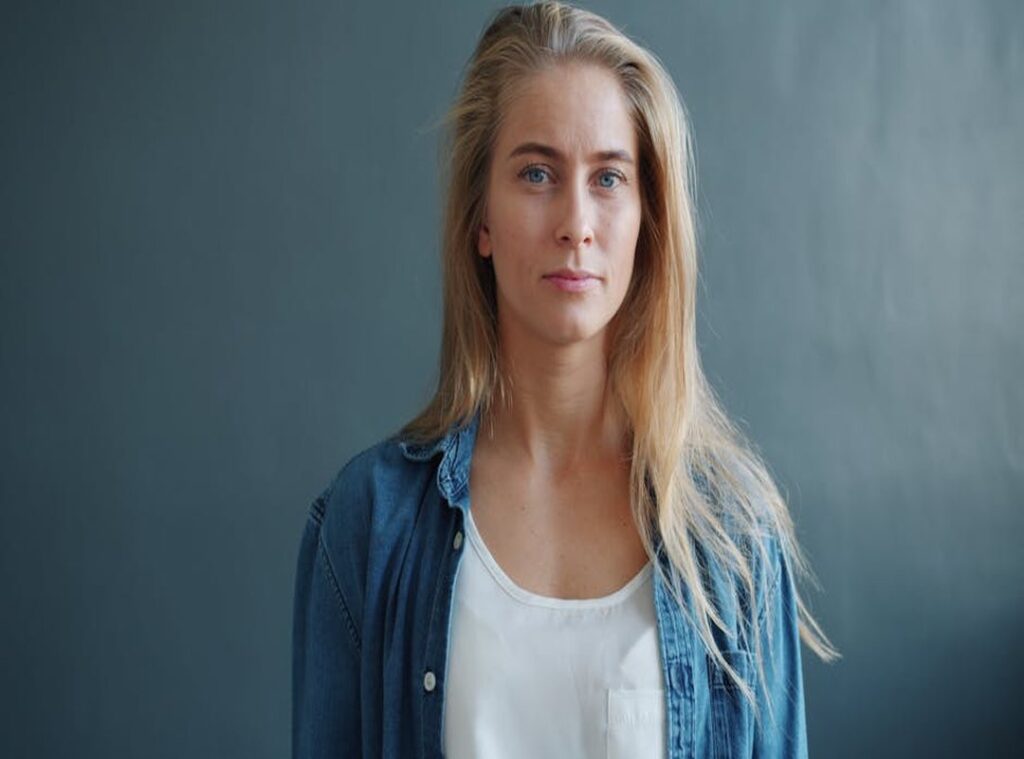
The line between our public online personas and private lives is thinner than we think. Especially for internet influencers, that boundary can shatter in an instant. Fie Laursen is a well-known Danish social media personality.
Her recent leak of private information has shaken her followers and the wider internet community. This article aims to provide a factual, chronological account of what happened. We’ll break down the events, the nature of the leaked data, and the broader consequences.
No sensationalism here. Just the facts. You’ll get a clear understanding of the incident and its implications for digital privacy and creator culture.
A Timeline of the Disclosure: How the Leak Unfolded
The leak started on a few obscure online forums and messaging apps. No one saw it coming.
It didn’t take long for the information to hit mainstream platforms like Twitter, Reddit, and Telegram. The spread was rapid and relentless.
Anonymous online communities played a big role in amplifying the disclosure. Motivations ranged from anti-influencer sentiment to a desire for notoriety. These groups thrive on chaos.
Fie Laursen herself made a public statement during the initial phase, addressing the leak and its impact. Her response was calm but firm, which helped to some extent.
This event is a case study in how fast information—and misinformation—can spread in the digital age. It shows the power and danger of social media in real-time.
Platforms face huge challenges in containing such widespread and rapid dissemination of private data. They’re always playing catch-up.
Understanding this timeline helps you see the bigger picture. You can better protect your own data and stay informed about the risks.
The Scope of the Breach: What Information Was Made Public?
The recent data breach exposed a wide range of sensitive information. Personal contact details like email addresses and phone numbers were among the data leaked. This can lead to an increased risk of spam, phishing attempts, and even identity theft.
Private photos and videos were also part of the leak. Imagine the fear and anxiety of knowing your most intimate moments could be seen by anyone. It’s not just about embarrassment; it’s about the real threat of stalking and harassment.
Financial records, including bank statements and credit card information, were compromised. This is a goldmine for cybercriminals, who can use this data to drain bank accounts and rack up fraudulent charges.
Sensitive personal documents, such as medical records and legal papers, were also made public. These can be used for blackmail or to cause emotional distress. The fie laursen of leak is staggering, and the potential for harm is immense.
The source of the leak is still under investigation. Some reports suggest it was a targeted hack, while others point to a breach from a third-party service. There are even whispers of an insider leak, but nothing has been confirmed yet.
Doxxing, the act of publicly sharing someone’s private information, is what happened here. It’s illegal in many countries and can have severe consequences. The individuals behind this breach could face serious legal repercussions.
It’s crucial to remember that seeking out, sharing, or engaging with the leaked content only perpetuates the harm. Respect the privacy of those affected and do not contribute to their suffering.
The psychological impact of such a comprehensive privacy invasion can be devastating. Victims may experience anxiety, depression, and a deep sense of violation. They might feel like they’ve lost control over their lives, and the road to recovery can be long and difficult.
For more on how to protect yourself and stay informed, visit the Rcsdassk official site.
The Aftermost and Broader Implications for Online Creators
The recent leak involving Fie Laursen has been a wake-up call. It’s not just about one person; it’s a stark reminder of the vulnerabilities all online creators face.
First, let’s look at the immediate fallout. Fie Laursen faced a barrage of harassment and had to deal with legal actions. Social media platforms were quick to respond, but their actions felt more like damage control than real solutions.
Public and media reactions varied. Some showed support, while others, unfortunately, piled on. This mixed response only highlights the complex dynamics of online communities.
Now, let’s broaden the discussion. This event is a sign of deeper issues in the creator economy. It raises questions about the safety and privacy of online personalities.
They build their careers on sharing their lives, yet they’re still entitled to a private existence. This is what I call the ‘privacy paradox.’
- Use two-factor authentication.
- Keep your business and personal contact info separate.
- Use a VPN to protect your online activity.
- Sign up for data breach monitoring services.
Tech platforms have a huge responsibility here. They need to do more to protect users from doxxing and targeted harassment. Current policies and enforcement mechanisms are often insufficient.
Platforms must step up and implement stricter, more effective measures.
In my opinion, the current landscape is too lax. We need stronger, more proactive approaches to prevent similar incidents. It’s time for a change.
Navigating the Perils of a Public Digital Life
The recent unauthorized release of personal data, including fie laursen of leak, serves as a stark reminder of the vulnerabilities that come with online fame. This incident not only exposed the individual’s private life but also highlighted the broader issue of digital security.
In today’s interconnected world, it is crucial to recognize the shared ethical responsibility we all have in protecting one another’s privacy. Refusing to participate in or condone such breaches is a moral imperative.
The tension between public transparency and the fundamental right to privacy continues to grow. As we navigate this complex landscape, we must question how much of our lives should be on display and at what cost.
While the lives of public figures often play out in the public eye, it is essential to draw a clear line around their personal, private information. This boundary must be respected and defended by all.